
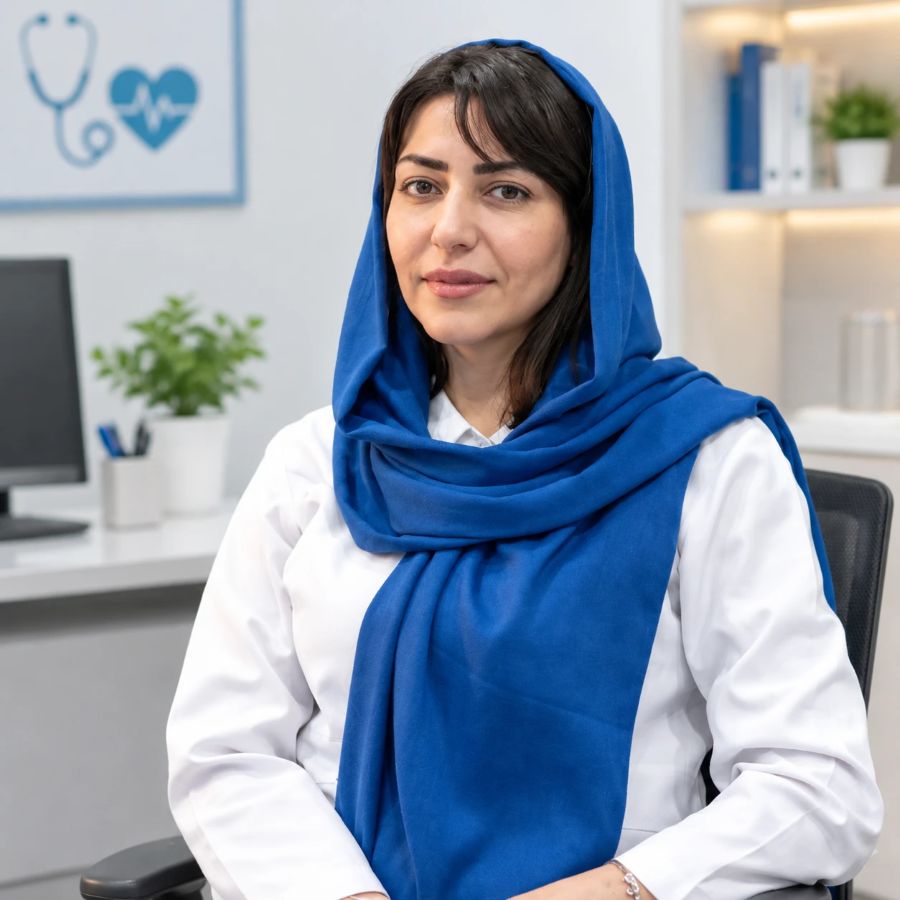
Dr. Ghazaleh Saffarian Tousi
Consultant Neurologist & Spine Specialist (Iranian Board Certified)
Precision clinical diagnostics and advanced non-surgical therapies for complex neurological disorders, chronic migraine, epilepsy, and peripheral neuropathies. Featuring state-of-the-art Electromyography & Nerve Conduction Studies (EMG/NCV), Digital Electroencephalography (EEG), and Quantitative Brain Mapping (QEEG) in Mashhad.
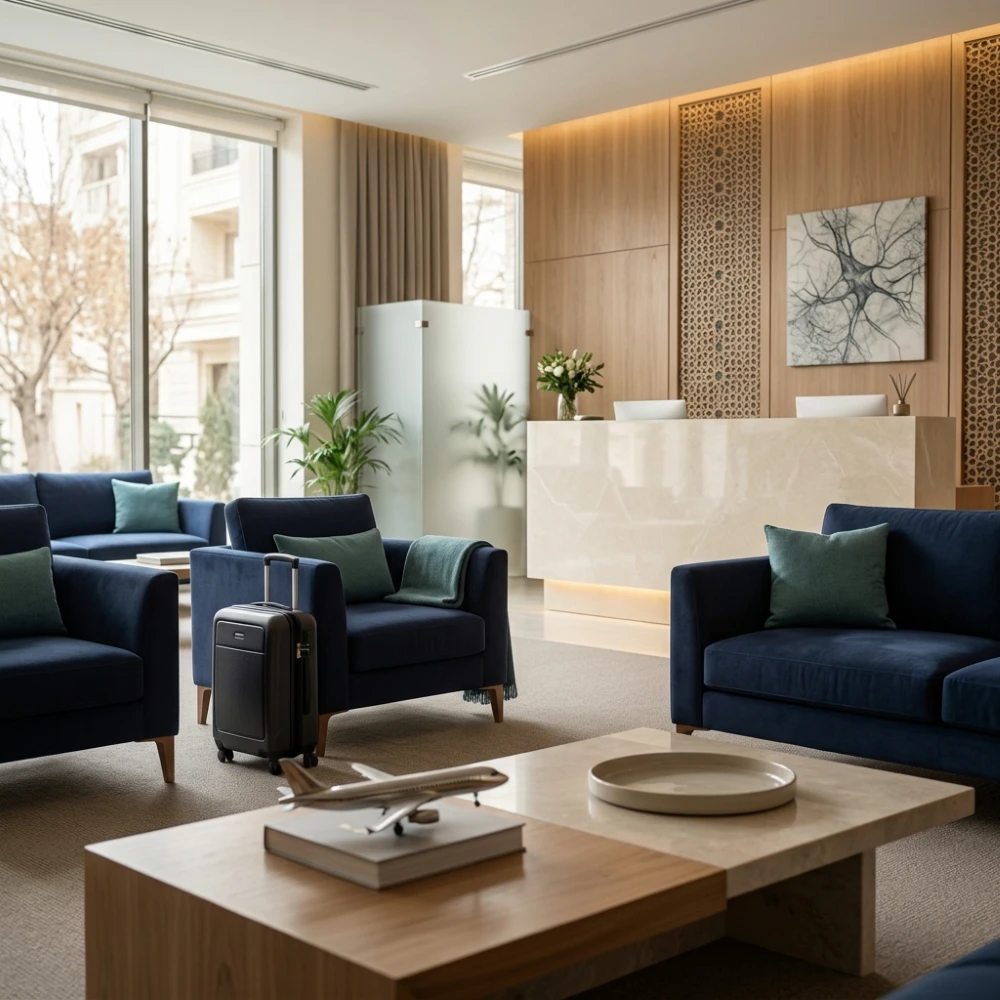
Fast-Track Diagnostic & Treatment Program for Visitors
We appreciate the time constraints of international patients and pilgrims visiting Mashhad. Our clinic provides a dedicated fast-track pathway allowing comprehensive clinical evaluations, neurodiagnostic tests (EMG/EEG), and tailored management plans within a single session.
- Priority online booking via WhatsApp prior to arrival
- Same-day diagnostic evaluations (EMG/NCV & EEG)
- Comprehensive medical reports for continued care abroad
- Convenient location with easy transit from major hotels & Holy Shrine
Advanced Neurodiagnostic Testing Unit
All electrodiagnostic and neurophysiological assessments are performed directly by Dr. Ghazaleh Saffarian, ensuring precise localization and root-cause identification of nerve and muscular disorders.
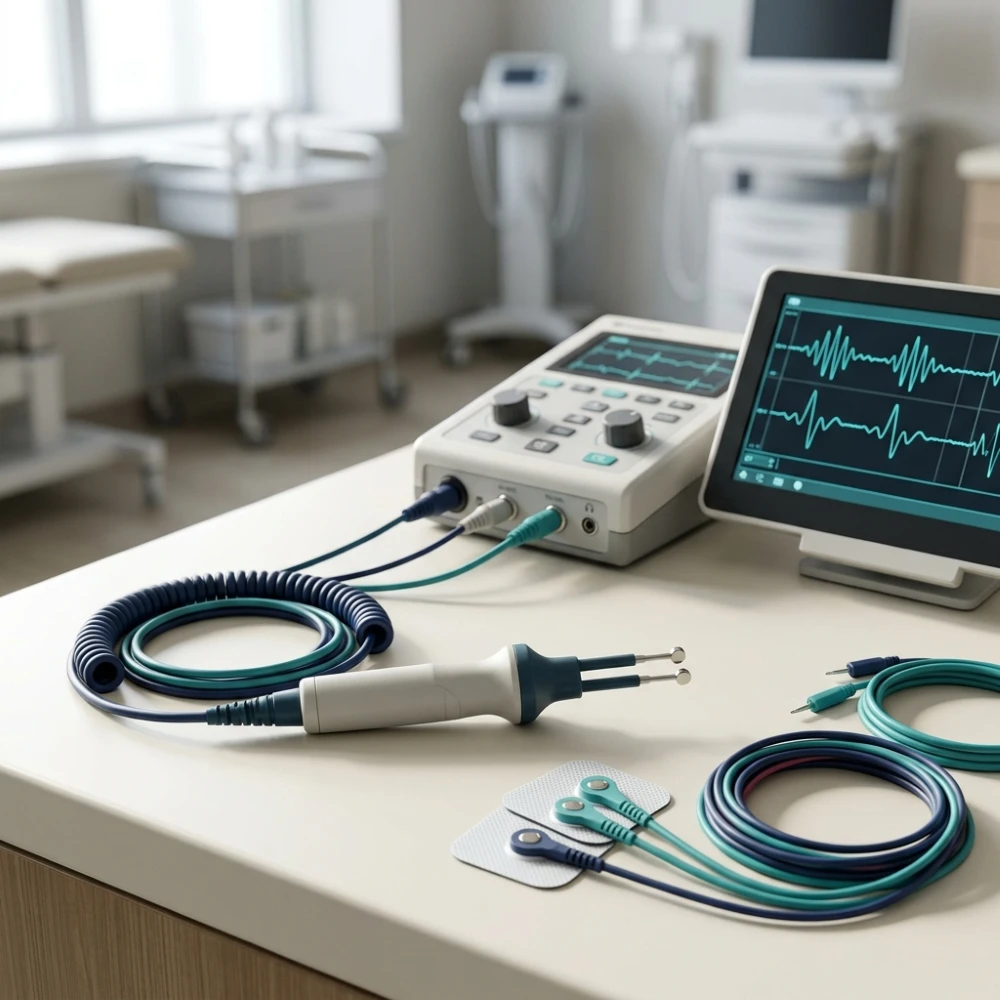
Electromyography & Nerve Conduction (EMG / NCV)
The definitive gold-standard test for diagnosing cervical and lumbar radiculopathy (sciatica, disc herniation), carpal tunnel syndrome, diabetic peripheral neuropathy, and myopathies.
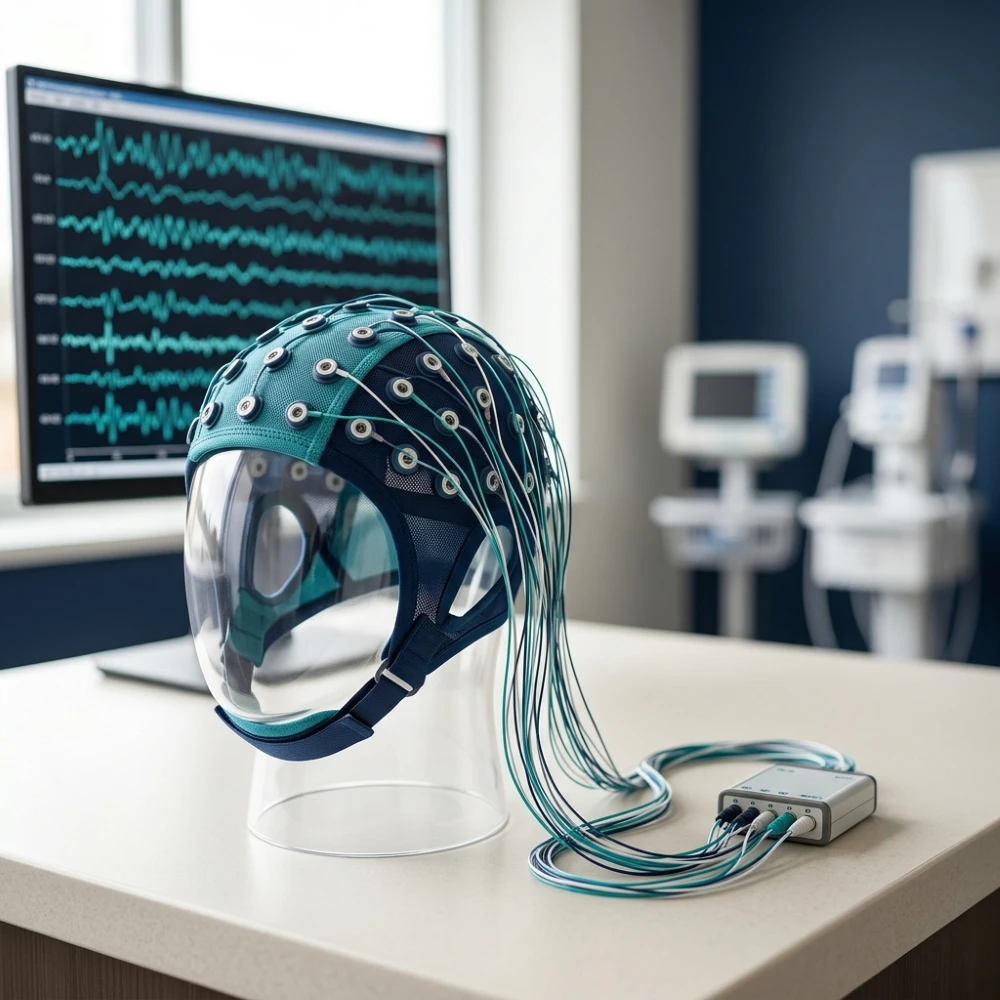
Digital Electroencephalography (Digital EEG)
High-resolution recording of cortical electrical activity to diagnose and differentiate epilepsy types, non-epileptic seizures, syncope, unexplained loss of consciousness, and sleep disturbances.

Quantitative Brain Mapping (QEEG)
Sophisticated mathematical and spectral analysis of brainwave distribution into topographical color maps. Critical for identifying neurological dysregulation in ADHD, chronic anxiety, depression, and memory decline.
Non-Surgical Pain Management & Brain Stimulation
Internationally established clinical protocols designed to alleviate refractory headaches, neuropathic pain syndromes, and restore neural pathway functions.
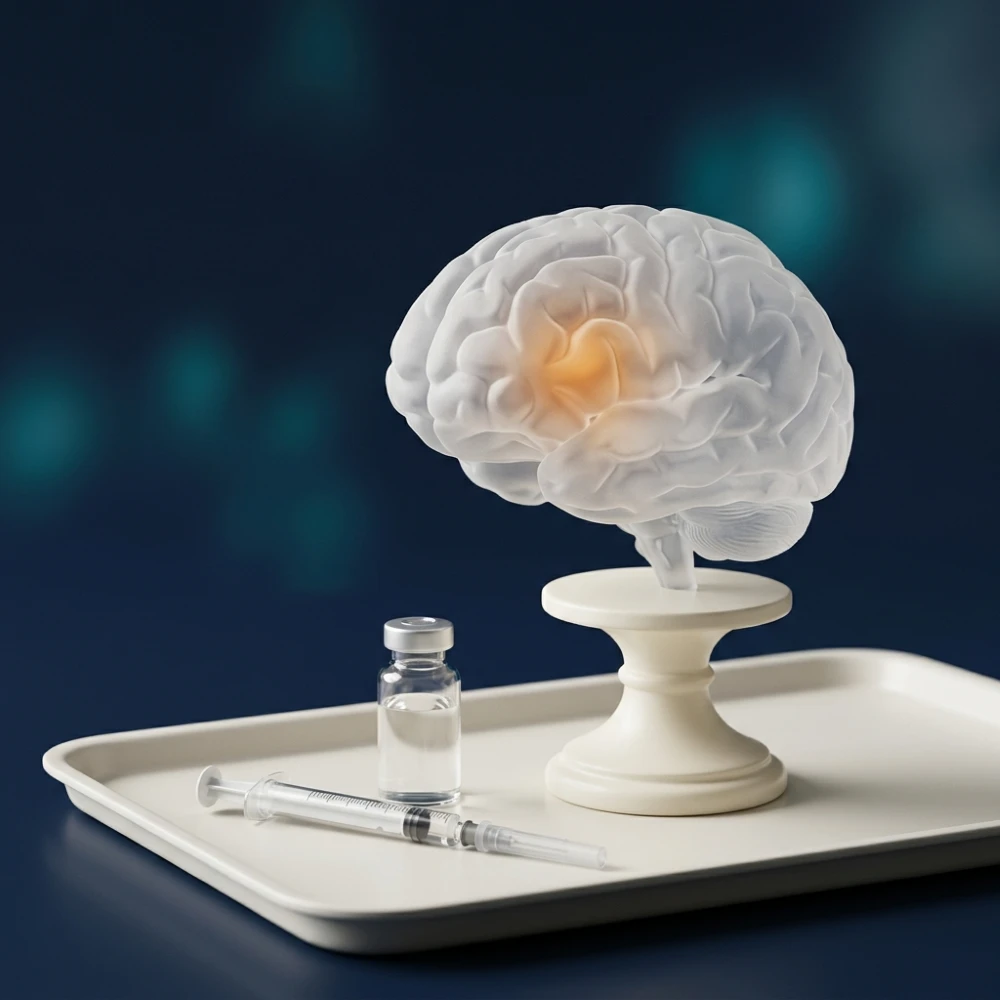
Therapeutic Botox for Chronic Migraine (PREEMPT Protocol)
FDA-approved prophylactic treatment for chronic migraine. Precision anatomical injections across 31 head and neck sites inhibit peripheral pain neurotransmitters, decreasing monthly migraine days by over 70%.
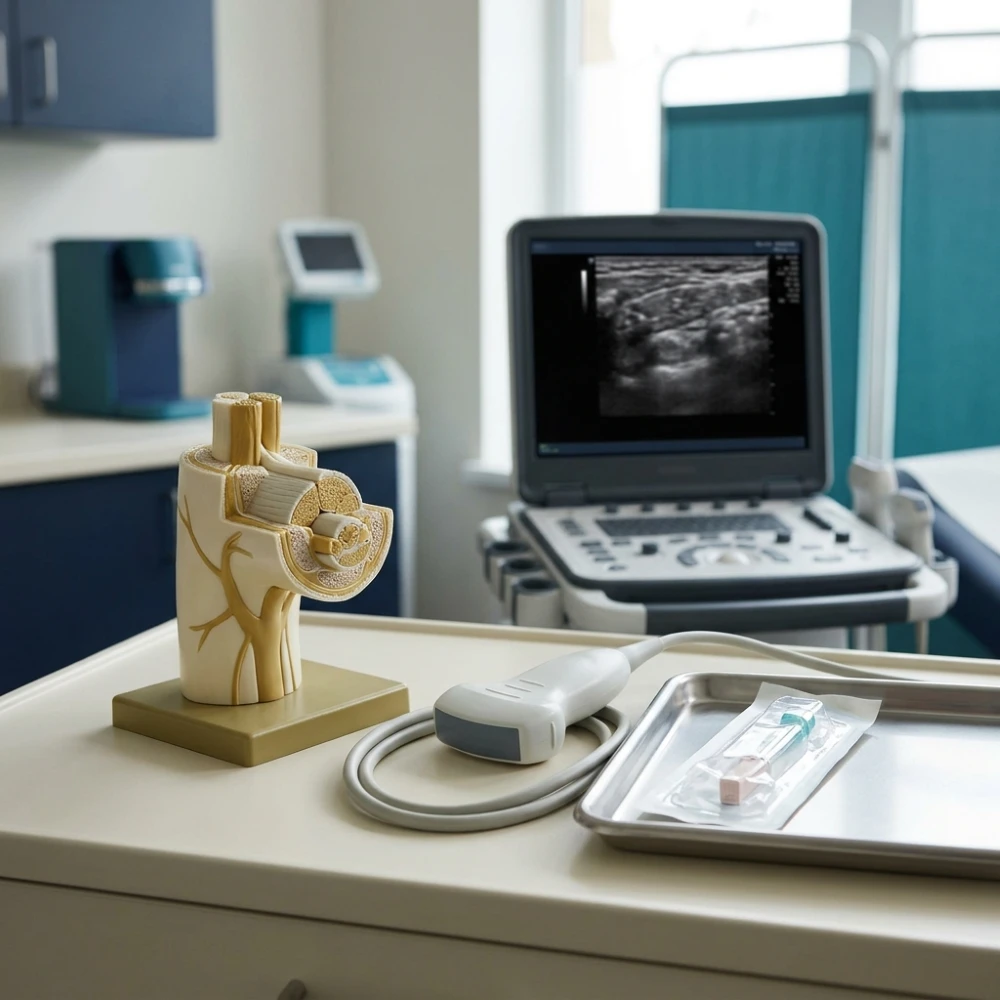
Peripheral Cranial Nerve Blocks
Targeted interventional injection (Greater Occipital Nerve / Trigeminal branches) providing rapid interruption of acute intractable headache attacks, occipital neuralgia, and trigeminal neuropathic pain.
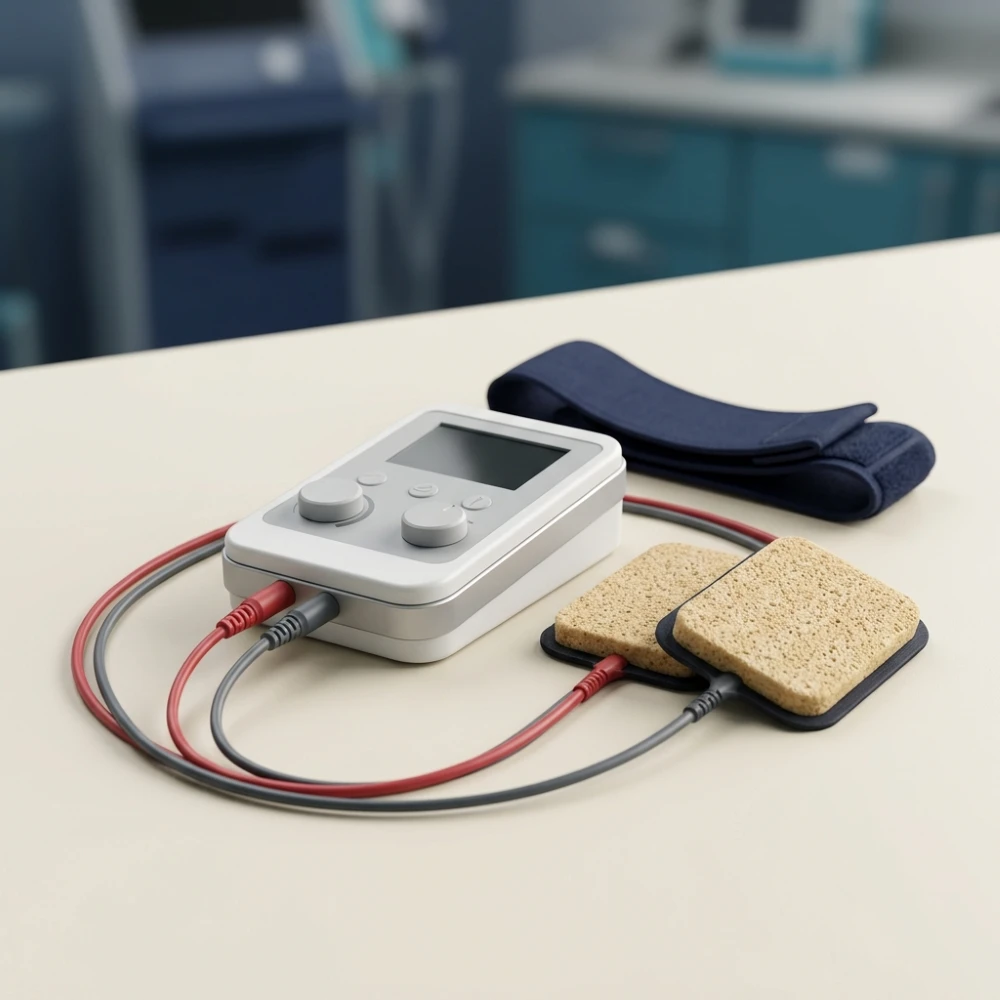
Transcranial Direct Current Stimulation (tDCS)
Non-invasive neuromodulatory therapy delivering micro-current stimulation to cortical areas. Highly valuable in post-stroke motor/speech rehabilitation, treatment-resistant depression, and neuro-tinnitus.
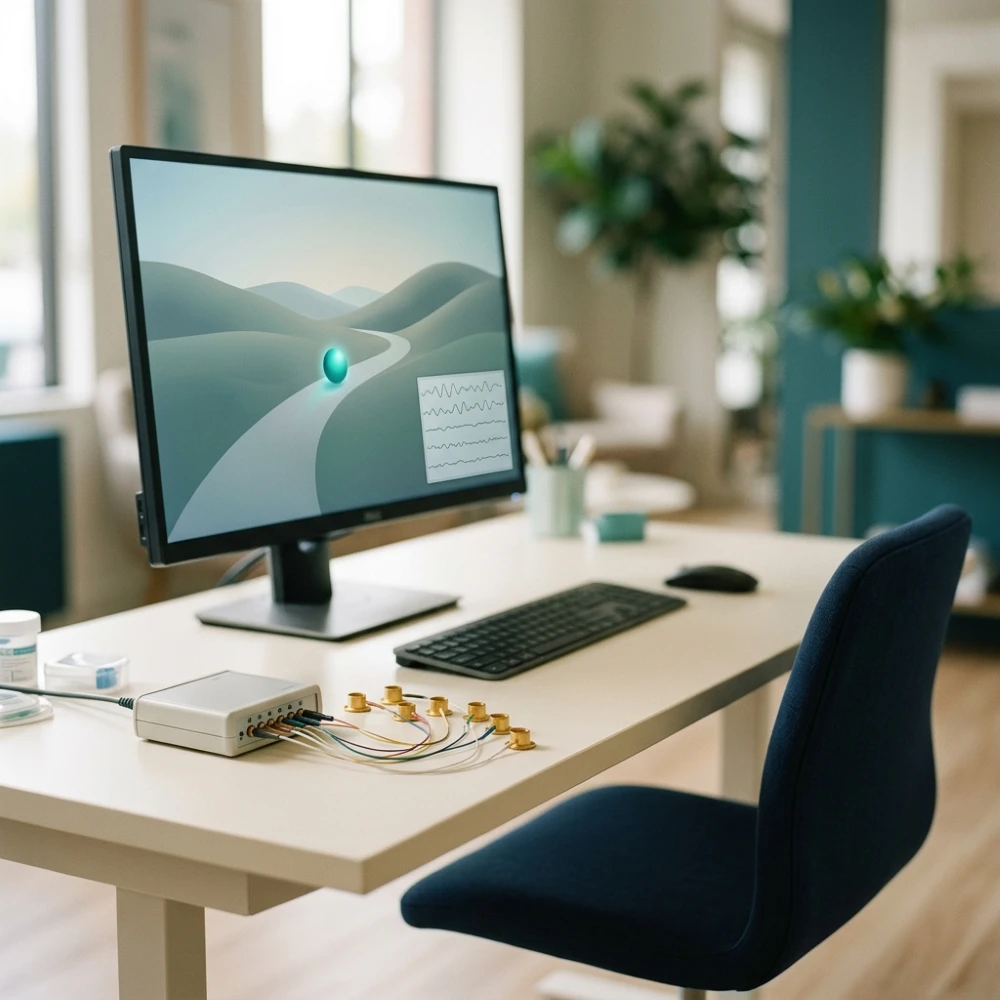
QEEG-Guided Neurofeedback (Brain Training)
Computerized operant conditioning based on QEEG analysis, training the brain to regulate its own oscillatory patterns. Proven effective in chronic insomnia, focus deficits, cognitive fatigue, and generalized anxiety.
Nine Dedicated Neurological Sub-Clinics
Comprehensive outpatient care spanning central and peripheral nervous system disorders aligned with international practice guidelines.
1. Headache & Chronic Migraine Clinic
Differential diagnostic workup and multi-modal treatment for chronic migraine, cluster headache, tension headaches, and trigeminal neuralgia.
2. Spine & Peripheral Nerve Clinic
Non-surgical evaluation of cervical/lumbar disc herniation, sciatica, peripheral tingling/numbness, and compressive entrapment neuropathies.
3. Epilepsy & Seizure Disorders Clinic
Accurate differentiation between epileptic and non-epileptic seizures, evidence-based antiepileptic drug optimization, and gestational epilepsy care.
4. Movement Disorders & Parkinson's Clinic
Clinical staging and pharmacotherapy for Parkinson’s disease, essential tremor, dystonia, motor stiffness, and postural instability.
5. Multiple Sclerosis (MS) & Neuroimmunology
Early identification of demyelinating relapses, optic neuritis, and protocol management with modern disease-modifying therapies (DMTs).
6. Stroke & Neurovascular Rehabilitation
Primary and secondary ischemic/hemorrhagic stroke prevention, vascular risk assessment, and non-invasive stimulation for motor/speech recovery.
7. Memory, Cognition & Dementia Clinic
Structured screening for subjective memory complaints, mild cognitive impairment (MCI), Alzheimer's disease, and vascular dementias.
8. Facial Nerve & Bell's Palsy Clinic
Neurophysiological grading of 7th cranial nerve injury via electrodiagnostics, coupled with urgent therapeutic protocols for full motor recovery.
9. Dizziness, Sleep & Neuropsychiatric Clinic
Diagnostic approach to vestibular vertigo, balance instability, chronic primary insomnia, restless legs syndrome, and somatic anxiety.
Instructions Before Your Neurodiagnostic Appointment
To ensure maximum diagnostic precision and eliminate the need for repeat testing, please follow these clinical guidelines prior to your visit:
| Procedure / Diagnostic Test | Required Preparation Prior to Visit | Medications & Special Precautions |
|---|---|---|
| EMG / NCV (Electromyography) | Wash arms and legs thoroughly with soap and water on the appointment day. Do not apply any moisturizers, oils, lotions, or creams to the skin. Wear loose, comfortable clothing that can be rolled above the elbows and knees. | Notify the clinic if you are on blood thinners (e.g., Warfarin, Plavix, Aspirin) or have an implanted cardiac pacemaker. |
| Digital EEG & QEEG Brain Mapping | Wash hair thoroughly with shampoo the evening before and dry completely. Do not use gels, oils, sprays, conditioners, or pomades. Do not arrive fasting; have a light meal prior to testing to avoid hypoglycemia. | Avoid coffee, black/green tea, energy drinks, and stimulant beverages for 8 hours prior. Do NOT stop prescribed antiepileptic drugs without explicit physician orders. |
| Migraine Botox & Nerve Blocks | Ensure the forehead and scalp areas are clean and free of cosmetic makeup or topical treatments. Have a regular meal before coming to the clinic. | Avoid non-steroidal anti-inflammatory drugs (NSAIDs like Ibuprofen/Aspirin) for 48 hours before injection if permissible, to minimize localized bruising. |
Answers to Common International Patient Inquiries
Can clinical evaluations and neurodiagnostic tests (EMG/EEG) be done in a single day for visitors?
Yes, absolutely. To accommodate the schedule of international visitors and travelers coming to Mashhad, our clinic coordinates advance appointments via WhatsApp so that the consultation, necessary electrodiagnostic studies (EMG or EEG), official report, and personalized treatment plan are delivered in the same session.
Is the EMG / NCV (Nerve and Muscle) test painful or associated with risks?
The examination is safe and well tolerated. It consists of two stages: nerve conduction study using gentle, superficial electrical pulses, and electromyography using sterile, single-use micro-needles to assess muscle fibers. Patients typically report mild, transient tingling or tapping sensations.
How soon can I expect clinical improvement following therapeutic Botox for migraine?
Noticeable reduction in migraine frequency and severity usually begins within 10 to 14 days post-procedure, reaching peak clinical efficacy around 4 weeks. Therapeutic benefit typically persists for 3 to 6 months before repeating the cycle.
What medical documents and previous investigations should I bring to the consultation?
Please bring all prior brain/spine MRI scans and CT imaging (CDs or high-quality films), recent blood test reports, and an accurate list or photos of all medications and supplements you currently take.